
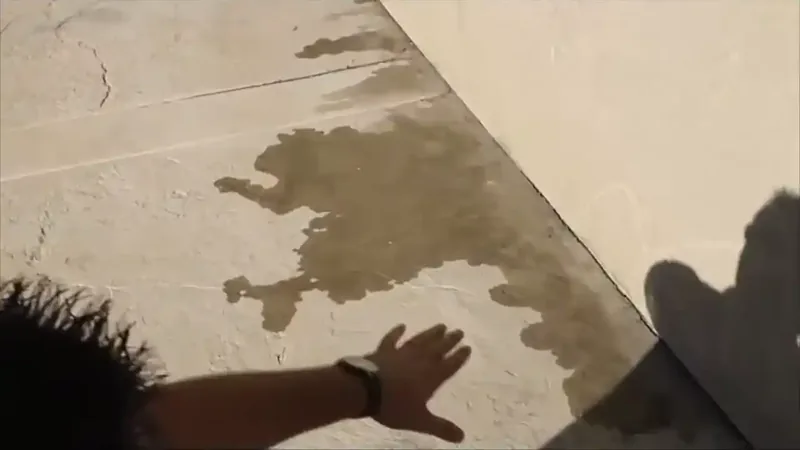
Walking barefoot across a concrete basement floor and encountering a warm spot where the rest of the floor is cool is one of the more reliable early indicators of a slab leak in Longmont homes. The sensation can be subtle enough to miss if you are wearing shoes or are not paying attention, but once noticed it is difficult to ignore. Here is what the warm spot is telling you, what it is not telling you, and what to do next.
What Creates a Warm Spot on Concrete
A warm spot on a basement concrete floor almost always indicates a hot-water supply line running beneath the slab that is releasing heated water at a failure point. The water exits the pipe, spreads through the soil below the slab, and conducts heat upward through the concrete. The warmth you feel is the temperature differential between the leaked hot water spreading below the slab and the cooler surrounding concrete.
In Longmont homes built from the 1960s through the 1990s, hot-water supply lines running from the water heater to bathrooms on the far side of the house were often routed directly through the concrete slab rather than through the walls. Those slab-embedded lines are subject to the same corrosion from St. Vrain's medium-hard surface water as any other copper, but without the ability to drain or dry after a failure because they are encased below the floor.
Confirming the Warm Spot Is a Slab Leak
A warm spot alone is not conclusive proof of a slab leak. Radiant floor heating, if present, produces intentional warm zones. An area over an uninsulated duct run can also feel warmer than the surrounding slab. The two confirming signals are a water bill that has increased without explanation and a water meter that shows movement with all fixtures off.
If the warm spot correlates with an elevated water bill, the combination is highly specific to a slab leak. The warm spot shows you approximately where the heat is transferring through the slab, and the meter confirms that water is actively being lost. Acoustic detection then narrows the failure location within the warm zone to the precision needed for a targeted saw cut.
Size and Location of the Warm Zone
A warm zone that covers several square feet is not unusual even for a small pinhole failure. Water released below the slab spreads through the soil in all directions, and the heat transfers upward across the full spread area. The actual pipe failure point is typically at the center or edge of the warm zone, but the relationship is not precise enough to mark a saw cut without acoustic confirmation.
In Mill Village and Southmoor Park, where Ranch-style homes from the 1950s and 1960s have concrete slab foundations in some cases, this warm-spot presentation is the most common first symptom of a supply line failure. Call Longmont Leak Repair Pros at (303) 552-3896 as soon as the warm spot is noticed and the meter confirms active movement. The earlier a slab failure is located, the smaller the concrete repair access needs to be.