
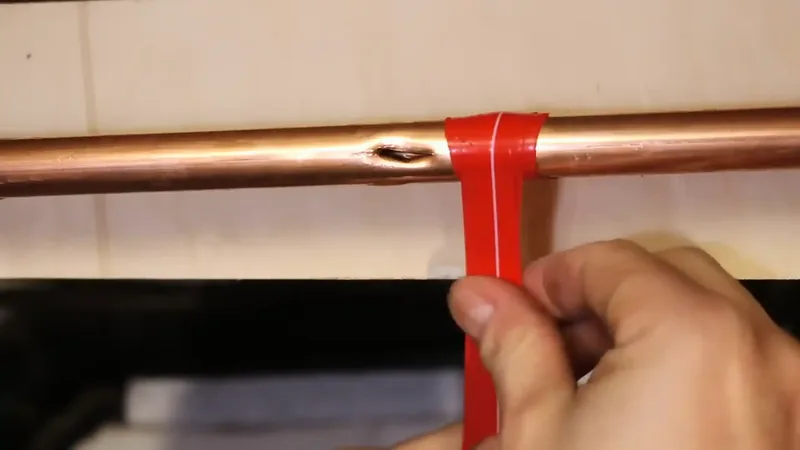
A burst pipe in a Longmont home during a cold snap is a time-critical event. The water exiting a failed supply line at typical residential pressure of 60 to 80 PSI can deliver several hundred gallons into your walls, floors, and ceilings in the time between when the freeze event happens and when the pipe is noticed. Here are the four actions that matter most in the first thirty minutes.
1. Shut Off the Water Supply Immediately
The fastest way to stop the water is the main shut-off valve inside the house, typically located at the point where the supply line enters through the foundation wall, usually in the utility room or basement near the water heater. Turn it clockwise until it stops. If you cannot locate the interior shut-off, the City of Longmont water meter box at the curb contains a secondary shut-off accessible with a standard meter key. A standard flathead screwdriver also works on most Longmont meter box caps.
Do not wait until you find the exact failure point to shut off the water. Every minute the supply is running is hundreds of gallons of potential structural damage. Shut off first, locate the failure second.
2. Open a Cold-Water Faucet to Relieve Pressure
After shutting off the main, open one cold-water faucet at a lower fixture, such as the basement utility sink or a ground-floor bathroom faucet. This drains the residual pressure from the supply system and reduces the risk of additional joint failures as the pipe temperature changes. Leave the faucet open until the plumber arrives.
3. Document the Visible Damage Before Cleanup
Take photos and video of the affected areas before moving anything or starting cleanup. Insurance claims for burst pipe water damage require documentation of the original condition. Photograph the failure area, any ceiling or wall damage, and any personal property that was affected. This takes five minutes and has significant insurance value.
4. Begin Water Removal to Limit Secondary Damage
Standing water on hardwood flooring causes cupping and warping within hours. Wet drywall begins to support mold growth within 24 to 48 hours. Use towels, mops, and a wet-dry vacuum if available to remove standing water from affected areas while waiting for the plumber. Do not use standard household vacuums on standing water. Do not run forced-air heating directly over wet wood without also running dehumidification.
Why Longmont Is High-Risk for Freeze Events
Longmont sits at USDA Zone 5b, with January low temperatures averaging 8 to 20 degrees Fahrenheit. The Front Range cold air drainage events that produce the most damaging pipe freezes happen when Arctic air settles in the South Platte Valley with minimal wind: temperatures drop to single digits overnight without the wind that typically comes with those events, and uninsulated supply lines in exterior walls, garages, and crawl spaces freeze before the homeowner is aware of the risk.
The supply lines most vulnerable in Longmont homes are those in exterior walls on the north-facing side, particularly in Northridge and the northern exposure sections of Westview. Garage utility lines in homes where the garage is unheated are the second most common freeze point. Hose bib supply lines that were not properly drained in the fall freeze at or just inside the wall penetration point.
Call Longmont Leak Repair Pros at (303) 552-3896 for emergency burst pipe response across Longmont and Boulder County, 24 hours a day.